africos
Leading The Way With HIV Research
Africos – Leading The Way With HIV Research
RePORT International will be periodically featuring related- and partner-research networks. We are currently pursuing a collaborative analysis on risk factors related to TB disease with the AFRICOS team.
The African Cohort Study (AFRICOS), now in its twelfth year, is an initiative led by the U.S. Military HIV Research Program (MHRP) to characterize and contextualize the HIV epidemic in four African countries. AFRICOS findings have informed evidence-based interventions, policy decisions and research pathways in the ongoing efforts to combat HIV. Moreover, AFRICOS is an outstanding example of investing in science and data to drive programming decisions, improving effectiveness and efficiency in lifesaving global health initiatives like PEPFAR.
AFRICOS participants are enrolled from clinic patient populations at 12 sites in Kenya, Nigeria, Tanzania and Uganda. Researchers track the impact of clinical practices, biological factors and comorbidities on HIV progression and other health outcomes. As of March 2024, the cohort enrolled more than 4,100 participants, resulting in a wealth of data that shows how the HIV epidemic has evolved over more than a decade.
AFRICOS tracks characteristics of people living with HIV, including immune cell counts, inflammatory markers, viral loads, opportunistic infections, and treatment adherence – among many others. AFRICOS analyses have highlighted, for example, associations with persistent low-level viremia (pLLV) and shown that patients with pLLV are at increased risk for virologic failure and worse outcomes; documented the prevalence and risk factors for cognitive and mental health issues, opportunistic infections, and non-communicable diseases; and established metabolic and psychosocial consequences of different forms of antiretroviral therapy. These studies have contributed to overall understanding of disease progression, the efficacy of antiretroviral therapy, signs of potential drug resistance and other factors influencing treatment outcomes and have helped shape policy and guidance of host governments, the U.S. President’s Emergency Plan for AIDS Relief, and international agencies like the World Health Organization
Co-infections remain a significant challenge for people living with HIV, and AFRICOS research has focused on the prevalence of co-infections such as tuberculosis, hepatitis, and other sexually transmitted infections, and their impact on HIV outcomes. Other projects have examined relationships between HIV and noncommunicable diseases, showing that people living with HIV also face an increased risk of developing cardiovascular diseases, diabetes and certain cancers.
Visit AFRICOS for more information on opportunities for collaboration on this study led by WRAIR.
What's new
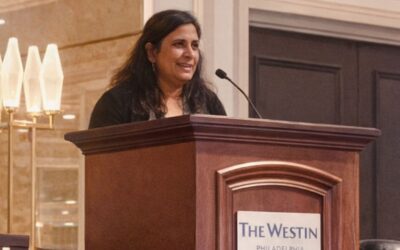
Celebrating Dr. Rajita R. Bhavaraju
Celebrating Dr. Rajita R. BhavarajuLifetime Service Award RecipientCelebrating Dr. Rajita R. Bhavaraju: Lifetime Service Award RecipientI am pleased to announce that "our own" Rajita Bhavaraju, PhD, MPH, Director of Global Operations for the TB-RePORT International...

Update on Biomarkers Study
update on biomarkers studyAnalysis of Host Biomarkers Associatedwith Adverse TB Treatment Outcomes Across RePORT International SitesAnalysis of Host Biomarkers Associatedwith Adverse TB Treatment Outcomes Across RePORT International Sites Sheetal Verma
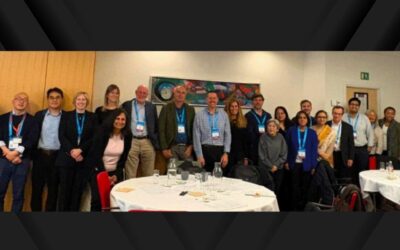
RiCC Leadership Group
RICC International leadershipCopenhagen | November 18, 2025Meeting Highlights Copenhagen | November 18, 2025 The RePORT International Leadership Group met in Copenhagen on November 18 to review ongoing research activities and strategic priorities across the...