
Vaccine Misinformation
The Unspoken Risks of Promoting Nutritious Food as a Vaccine for TB Prevention
RePORT India
The Unspoken Risks of Promoting Nutritious Food as a Vaccine for TB Prevention
Commentary on the article Broadening the vaccine metaphor: The adequate balanced food (ABF) vaccine against tuberculosis (Acid-fast bacilli/AFB) and more.
Based on work done by RePORT India on the effects of nutrition on TB, Dr. Sonali Sarkar and Dr. Little Flower Augustine from JIPMER (Jawaharlal Institute of Postgraduate Medical Education & Research), Puducherry, have written a commentary about the recent article by Anurag Bhargava about nutrition being analogous to a TB vaccine.
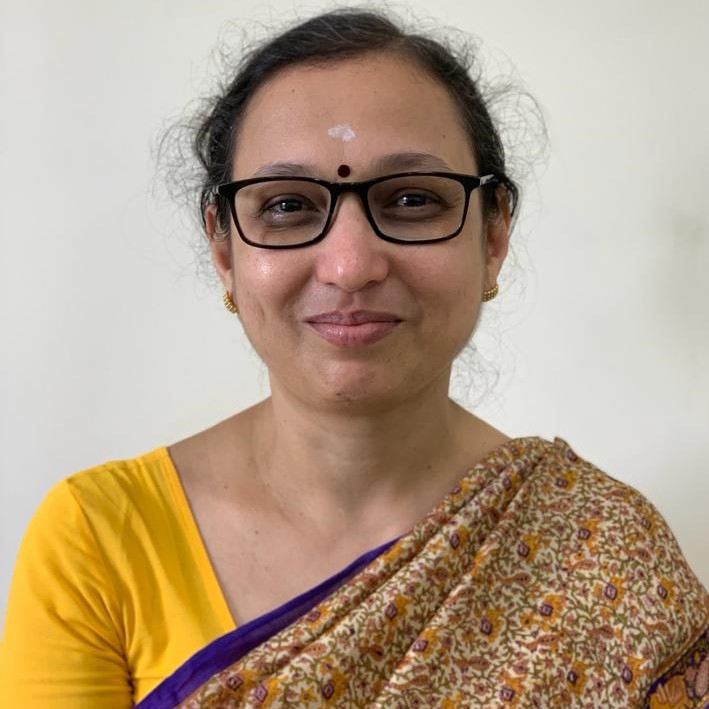
Dr. Sonali Sarkar

Dr. Little Flower Augustine

Anurag Bhargava
A study led by Dr. Bhargava and his team has demonstrated a preventive impact of adequate, balanced nutrition on TB incidence. Drawing on findings from the cluster randomized RATIONS trial conducted in Jharkhand, India, the researchers provided pulmonary TB contacts with raw rations and micronutrient supplements for a period of six months. The results were striking: the intervention group experienced a 39% reduction in the incidence of all forms of TB and a 48% reduction in microbiologically confirmed pulmonary TB. Based on these findings, Bhargava (2025) proposed an innovative metaphor—likening an adequate, balanced diet to a form of vaccine against TB.
However, there are some important points to consider before calling food a “vaccine.” The RATIONS trial was done in an area where many people were severely undernourished. When the body lacks nutrients, it tends to absorb them more quickly, which might have led to the strong response seen in the study. This means that the impressive results may be due, in part, to the poor nutritional status of people in that area.
To know if the same results can be seen elsewhere, the study needs to be repeated in places where people are not as undernourished. Drivers of TB vary in different parts of the world and also in regions within India. Other factors besides poor nutrition, such as HIV, diabetes and harmful use of alcohol, could increase the risk of TB. So, while adequate food helps, it may not always be the most important factor causing TB. It’s important to find out which factors matter most in different settings.
Also, TB activation often takes several years, depending upon host and environmental factors. This means that for effective prevention of TB, adequate balanced food (ABF) needs to be available throughout a person’s life, not just for six months. Also, TB doesn’t spread only among close contacts; it’s also passed around in the wider community. This raises important questions about comparing ABF to a vaccine. How long can the health system provide ABF like a vaccine? If ABF is to be used widely, it must reach all poor and undernourished groups for their entire lives. This makes it clear that ABF cannot be managed by the health system alone. It needs support from the whole community. Therefore, the authors argue that calling ABF a “vaccine” may not work well in India. It could be misunderstood as something only the health system should handle, and the strategy may not last because of high costs and practical challenges.
Instead, a community-led approach is needed to ensure that people with TB, their close contacts, and poor communities continue to get proper food. This approach also supports a broader TB control plan that includes not just good nutrition, but also reducing alcohol and tobacco use, screening people with HIV, and making sure they get treatment.
The Nikshay Mitra project by the Government of India is one example where the community helps support the nutrition of people with TB. In the future, programs like this should guide how we provide adequate balanced food (ABF), by focusing on making food available, affordable, and easy to access for everyone. So instead of calling ABF a “vaccine,” we should focus on treating food as a basic human right and an important part of the fight against hunger and malnutrition.
By Dr. Little Flower Augustine, Assistant Professor, Public Health Nutrition, JIMPER International School of Public Health
Dr. Sonali Sarkar, Professor, JIMPER Department of Preventive and Social Medicine and RePORT India Co-Chair and PI
What's new
Advancing TB Research
Advancing TB Research Through RICCEnhancing Treatment Outcomes, Predicting Disease Progression, and Improving Diagnosis.Advancing Tuberculosis Research Through RePORT International: Enhancing Treatment Outcomes, Predicting Disease Progression, and Improving Diagnosis....

Clinical MOP
Clinical Manual of Operating ProceduresClinical Manual of Operations The RePORT International Common Protocol was revised in 2024. Since then, the Data Core team has undertaken extensive work to align the Clinical Manual of Operating Procedures (MOP). After revision...

Celebrating Dr. Rajita R. Bhavaraju
Celebrating Dr. Rajita R. BhavarajuLifetime Service Award RecipientCelebrating Dr. Rajita R. Bhavaraju: Lifetime Service Award Recipient I am pleased to announce that "our own" Rajita Bhavaraju, PhD, MPH, Director of Global Operations for the TB-RePORT International...